You can choose a hotel perfectly and still get the trip wrong, because the hotel is not the thing you sleep in. The room is.
This is the part that surprises people. A property can be everything it promises (the right building, the right table, the right stretch of coast) and a single wrong room inside it can quietly undo the lot. Not loudly. There’s rarely a disaster to point at. Just a stay that should have landed and didn’t, and a guest who comes home unable to say why.
I’ve come to think of the room, not the hotel, as the unit that matters. It’s the smallest thing the work turns on, and the one most easily lost.
Consider the ways a good hotel betrays you one room at a time.
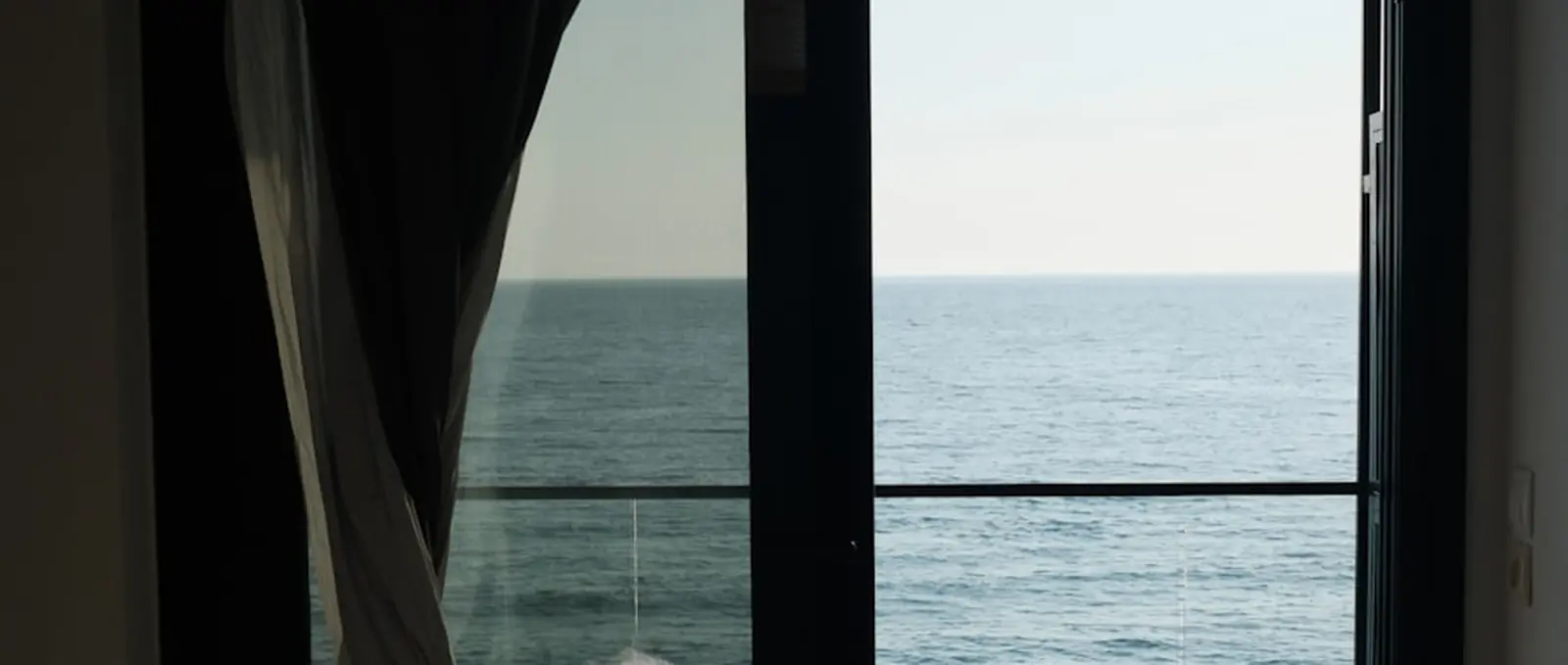
The view that isn’t. Every property has a handful of rooms sold on a view they don’t quite have: the sea glimpsed past a service roof, the garden that turns out to face the car park, the famous outlook available in the photograph and three floors up from where you’re standing. The category reads identically on the booking page. The difference is the whole morning.
The noise you didn’t expect. A room can be lovely and still sit above the kitchen extract, beside the lift shaft, over the terrace bar that comes alive at eleven, or on the elevation that catches the early delivery round. None of this appears in a brochure. All of it decides whether the second night is better than the first or quietly worse.
The upgrade that’s actually a downgrade. This one is counter-intuitive, so it’s worth saying plainly: a bigger room is not always a better one. The suite at the corner can be the loud one. The higher floor can be the slower one to reach and the warmer one to sleep in. An upgrade offered on the day, accepted gratefully and without question, can move a guest out of the right room and into a grander wrong one. Square metres are not the measure. Rightness is.
The marble with no comfort. And then the room that photographs better than it sleeps: all stone and volume and hard surfaces, a bathroom you could hold a meeting in, and nowhere soft to read at the end of a long day. It impresses on arrival and disappoints by the third morning, which is the morning that counts. Grandeur and comfort are not the same thing, and only one of them is felt at midnight.
None of these is a failure of the hotel. The hotel is fine. It’s the fit between a specific person and a specific room that’s wrong, and fit is not something a star rating can hold.
So the practice works a layer down from the hotel. Choosing the property is the easy part, and the part most people stop at. The harder, quieter work is the room itself: knowing which categories in a given house are the right ones and which are sold on a promise the room can’t keep; knowing where the noise comes from and at what hour; knowing the rooms that read smaller and sleep better, and the ones it’s worth paying past. That knowledge isn’t bought off a shelf. It’s the residue of asking the same building the same questions, over years, until its rooms stop being a list and become specific.
It also means asking the questions a guest doesn’t think to ask. Not do you have a sea view (every property says yes) but which of the sea-view rooms actually has one, and which faces the plant. Not is it quiet but quiet when, and above what. What’s below this floor. What runs along that wall. What the early light does to that elevation in the season you’re travelling. The questions sound small. They are the difference between right and almost-right, and almost-right is the failure mode worth designing against.
And it means booking in a way that means the property knows who’s arriving. A room held through a relationship is held differently from a room held through a screen. The hotel can be told, before you arrive, what you actually care about in a room (the floor, the aspect, the bath, the quiet) and a named contact can make the call on the day that a booking reference never will. The rate is the same either way. What changes is whose hands the room is in.
The principle underneath all of it is simple, and a little dry: the room is where the trip is either kept or lost, so the room is the thing to get right. A perfect hotel doesn’t survive the wrong room inside it. A good one, with the right room, can carry a whole trip on its own.
That’s the work, mostly. Not the building. The room in it, chosen on purpose, for the person who has to wake up there.
— Jess